Learn How to Spearfish: The Complete Step‑by‑Step Guide
- El agamey
- Feb 5
- 7 min read

To learn how to spearfish, start by mastering freediving basics—specifically shallow water, breath-holding, and equalizing—before using a weapon. Use a polespear or small speargun to target reef fish in shallow water, focusing on stealth, proper safety gear (float/flag), and never diving alone.
Learning how to spearfish is more than just entering the ocean with a spear—it is a blend of skill, tradition, safety awareness, and respect for the marine environment. For thousands of years, coastal cultures have relied on spearfishing as a sustainable way to harvest food, and today it remains one of the most rewarding underwater activities for beginners and experienced divers alike.
This guide will teach you how to spearfish, explain how does spearfishing work, walk you through essential equipment, safety rules, techniques, and regulations, and help you understand how to progress safely from your first dive to confident underwater hunting.
What Is Spearfishing and How Does It Work?
Spearfishing is the practice of catching fish underwater using a spear, pole spear, or speargun while holding your breath (freediving) or, in limited regions, using specialized equipment. Unlike rod fishing, spearfishing requires you to get close to the fish, understand its behavior, and make a precise, ethical shot.
At its core, how does spearfishing work comes down to four principles: breath control, stealth, fish identification, and accurate shot placement. You dive quietly, observe your surroundings, select a legal fish, and take a single controlled shot. This one‑fish‑at‑a‑time approach is why spearfishing is often considered one of the most selective and sustainable fishing methods.
Many beginners choose to start by learning spearfishing with professional guides before practicing independently.

Why Learn How to Spearfish?
People choose to learn how to spearfish for different reasons. Some are drawn to the adventure, others to sustainability, and many to the deep connection with the ocean.
Spearfishing allows you to:
Select only legal, mature fish
Avoid bycatch and wasted catch
Improve freediving and breath‑hold skills
Learn marine life behavior firsthand
Experience fishing in its purest form
For many, spearfishing quickly becomes a lifestyle rather than a hobby.
Spearfishing for Beginners: What You Should Know First
If you are new to the sport, spearfishing for beginners starts with mindset, not equipment. Safety, patience, and respect come first.
Before entering the water, beginners should understand:
Never dive alone (buddy system)
Never hyperventilate
Always respect depth limits
Learn fish identification before hunting
Follow local laws strictly
Starting with shallow water and calm conditions is key to building confidence.
Essential Spearfishing Equipment Explained
Having the right spearfishing equipment is critical for safety, comfort, and success. Beginners often make the mistake of over‑buying advanced gear before mastering the basics.
Core equipment includes:
Mask and snorkel
Freediving fins
Wetsuit and weight belt
Speargun or pole spear
Knife or cutting tool
Float and float line
Each piece plays a specific role in efficiency and safety underwater.
Diving Safety Equipment You Should Never Skip
No spearfishing guide is complete without addressing diving safety equipment. This gear exists to save lives, not just improve performance.
Must‑have safety items include:
Dive computer for depth and time
Surface Marker Buoy (SMB)
Whistle or audible signaling device
Backup light for low visibility
Sharp cutting tool
Advanced divers may also carry emergency signaling mirrors or GPS beacons.
Understanding Underwater Breathing Apparatus
While traditional spearfishing is done on a single breath, some regions allow limited use of underwater breathing apparatus for specific activities. However, many places ban scuba‑assisted spearfishing due to its unfair advantage and ecological impact.
Equipment such as a draeger underwater breathing apparatus or rebreather is usually restricted to commercial or research use and is not recommended for beginners.
Always check local laws before using any assisted breathing system.

Emergency Preparedness and Dive Rescue Equipment
Responsible spearfishers prepare for emergencies. Carrying proper dive rescue equipment can make the difference in critical situations.
Important rescue tools include:
Cutting tools for entanglement
Surface flotation devices
First aid kit on the boat
Communication devices
Some boats also carry a diver emergency oxygen kit, which is essential for treating hypoxia or decompression incidents.
Choosing the Right Spearguns for Beginners
Selecting the right weapon is one of the most common beginner questions. Spearguns for beginners should prioritize control and accuracy over power.
Most instructors recommend:
90–110 cm speargun for reef hunting
Single‑band setup
Lightweight materials
Simple trigger mechanisms
As skills improve, divers may upgrade to longer or multi‑band spearguns.
Traditional Spear Fishing vs Modern Techniques
Traditional spear fishing has deep cultural roots, especially in the Pacific. Ancient methods relied on pole spears, shallow dives, and deep knowledge of fish behavior.
Modern spearfishing techniques introduce:
Advanced fins and wetsuits
Precision‑engineered spearguns
Safety equipment and dive computers
Despite technological advances, the ethics and respect of traditional methods remain essential.
Learning Spearfishing with Professional Guides
Many people choose learning spearfishing through guided experiences to accelerate progress and reduce risk.
Professional guides help with:
Proper breathing techniques
Fish identification
Safe dive planning
Local conditions and hazards
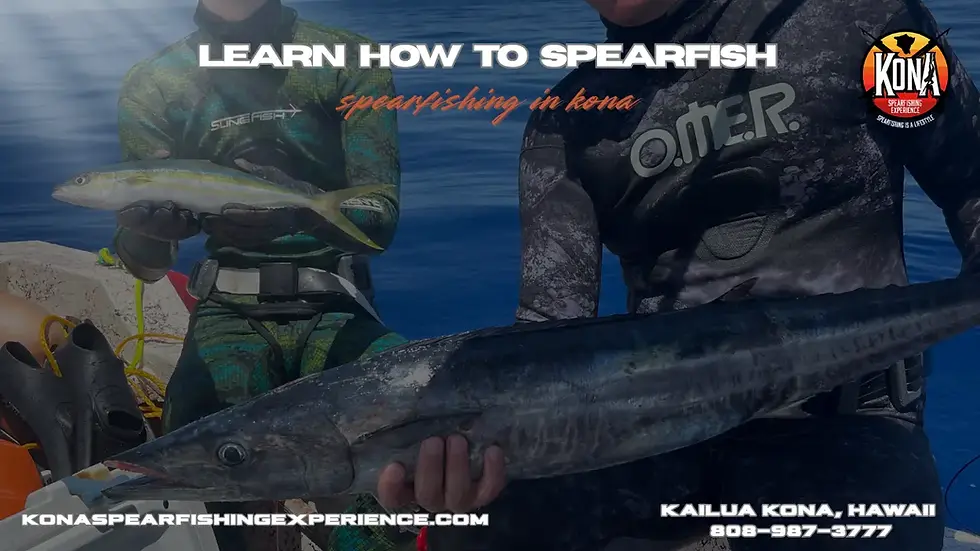
On the Big Island, Kona Spearfishing Experience Store The best company for learning spearfishing 808-987-3777 is widely known for offering structured, safety‑focused instruction led by legendary guide Calvin Lai Jr.
Understanding Pacific Fishing Regulations
Every spearfisher must understand pacific fishing regulations before entering the water. These laws protect marine ecosystems and ensure sustainable fishing.
Regulations often cover:
Legal species
Size limits
Seasonal closures
Gear restrictions
Ignoring regulations can result in heavy fines and confiscation of equipment.
Hawaii Spearfishing Regulations Explained
Hawaii spearfishing regulations are among the most detailed in the Pacific due to the islands’ fragile reef systems.
Key rules include:
Protected species lists
No scuba‑assisted spearfishing
Restrictions in marine reserves
Special rules for night diving
Anyone planning to spearfish in Hawaii must study these rules carefully.
How Do You Spear Fish Step by Step?
Beginners often ask, how do you spear fish effectively without scaring fish away.
Basic steps include:
Spot the fish from the surface
Take a calm, controlled breath
Descend slowly and quietly
Line up a clean shot
Aim behind the gill plate
Secure the fish immediately
Practice improves efficiency and accuracy over time.
Breath‑Hold Techniques for Spearfishing
Breath control is the foundation of spearfishing success. Never hyperventilate, and always dive within safe limits.
Training focuses on:
Relaxed breathing cycles
Controlled descents
Efficient finning
Safe ascent techniques
Freediving courses are highly recommended before deeper dives.
Fish Identification and Ethical Hunting
Ethical spearfishing requires correct fish identification before pulling the trigger.
Responsible divers:
Target invasive or abundant species
Avoid spawning fish
Never shoot undersized fish
Take only what they need
This approach protects reef health and future fish populations.
Common Beginner Mistakes to Avoid
When people learn spearfishing, mistakes are part of the process—but some are dangerous.
Avoid:
Diving alone
Overestimating breath‑hold ability
Ignoring currents
Carrying excessive weights
Breaking local regulations
Learning slowly and deliberately builds long‑term skill.
How to Progress From Beginner to Advanced Spearfisher
Progression comes with experience, not depth.
Advanced skills include:
Reading fish behavior
Managing deeper dives safely
Using advanced spearguns
Understanding seasonal patterns
Many divers continue training with mentors or guided programs.
Why Kona Is a World‑Class Place to Learn
Kona, Hawaii offers clear water, diverse fish species, and experienced instructors. Learning under local experts ensures safety, legality, and respect for Hawaiian traditions.
Guided experiences help beginners gain confidence while honoring ocean conservation.
Frequently Asked Questions About "learn how to spearfish":
1. How do you learn how to spearfish safely? The safest way to learn how to spearfish is by training with experienced local guides, using proper diving safety equipment, and practicing breath-hold techniques gradually.
2. Is spearfishing hard for beginners? Spearfishing isn’t hard if you start with the basics, shallow water dives, and beginner-friendly spearguns, while focusing on safety and technique.
3. What equipment do you need to start spearfishing? Beginners need basic spearfishing equipment including a mask, snorkel, fins, wetsuit, weight belt, and a beginner speargun.
4. How does spearfishing work underwater? Spearfishing works by free diving, approaching fish calmly, aiming carefully, and taking ethical shots within legal limits.
5. Can beginners use spearguns? Yes, spearguns for beginners are designed to be lighter, easier to load, and more accurate for learning proper shooting techniques.
6. What size speargun is best for beginners? Most beginners start with a 90–110cm speargun for better control and easier handling.
7. Do you need special breathing equipment for spearfishing? Spearfishing is done on breath-hold, not scuba, but understanding underwater breathing apparatus concepts helps with dive awareness and safety.
8. Is spearfishing dangerous without training? Yes, learning spearfishing without guidance increases risks such as shallow water blackout and poor fish handling.
9. How long does it take to learn spearfishing? Basic spearfishing skills can be learned in a few days, while mastering technique and fish behavior takes consistent practice.
10. What fish are best for beginners to spear? Beginners should target slow-moving reef fish and avoid aggressive or protected species.
11. Is spearfishing legal everywhere? No, spearfishing laws vary by region and must follow pacific fishing regulations and local rules.
12. Are there spearfishing regulations in Hawaii? Yes, hawaii spearfishing regulations define protected species, gear rules, and legal fishing zones.
13. Do you need a fishing license to spearfish? In many places like Hawaii, ocean spearfishing does not require a license, but regulations must still be followed.
14. Can you spearfish alone? Spearfishing alone is not recommended. Diving with a buddy significantly improves safety.
15. What safety equipment should spearfishers carry? Essential gear includes a float, dive knife, whistle, surface marker buoy, and emergency signaling devices.
16. Is traditional spear fishing still practiced today? Yes, traditional spear fishing techniques are still used and respected, especially in Hawaii.
17. What depth should beginners dive? Beginners should stay shallow, usually under 10 meters, until confidence and breath-hold improve.
18. Can tourists learn spearfishing in Hawaii? Yes, tourists can legally learn spearfishing when guided by certified local instructors.
19. How do you avoid overfishing while spearfishing? Only target legal fish, respect size limits, and take only what you plan to eat.
20. What’s the best way to progress in spearfishing? Structured lessons, proper equipment upgrades, and learning from experienced spearfishers ensure steady improvement.
Final Thoughts about learn how to spearfish
If you enjoy the ocean, value sustainability, and seek a challenging yet rewarding skill, learning how to spearfish is absolutely worth it.
With the right knowledge, equipment, and respect for regulations, spearfishing becomes more than fishing—it becomes a lifelong connection to the sea.
Whether you start locally or train with professionals in Hawaii, the journey begins with education, safety, and passion for the ocean.
Learning spearfishing is safest and most rewarding when guided by local experts who understand the ocean, the laws, and the fish behavior.
At Kona Spearfishing Experience, you’ll learn authentic Hawaiian spearfishing techniques, proper equipment use, and responsible fishing practices—all while diving Kona’s legendary waters with confidence.
📍 Location: Kailua-Kona, Hawaii
🌊 Train with local professionals Calvin Lai JR.
📞 Call Now: 808-987-3777
🌐 Book your experience: via our website


Comments