Spearfishing for Beginners: A Complete Guide | kona spearfishing experience

Spearfishing for beginners isn’t just about grabbing a speargun and jumping into the ocean. It’s a skill-based activity that combines freediving, fish knowledge, ocean awareness, and respect for marine ecosystems. When learned correctly, spearfishing becomes one of the most selective, sustainable, and rewarding ways to fish.
This guide breaks down the basics of spearfishing, essential gear, beginner-friendly spearfishing techniques, safety rules, and how to learn from experienced local professionals—so your first experience is safe, ethical, and successful.
What Is Spearfishing?
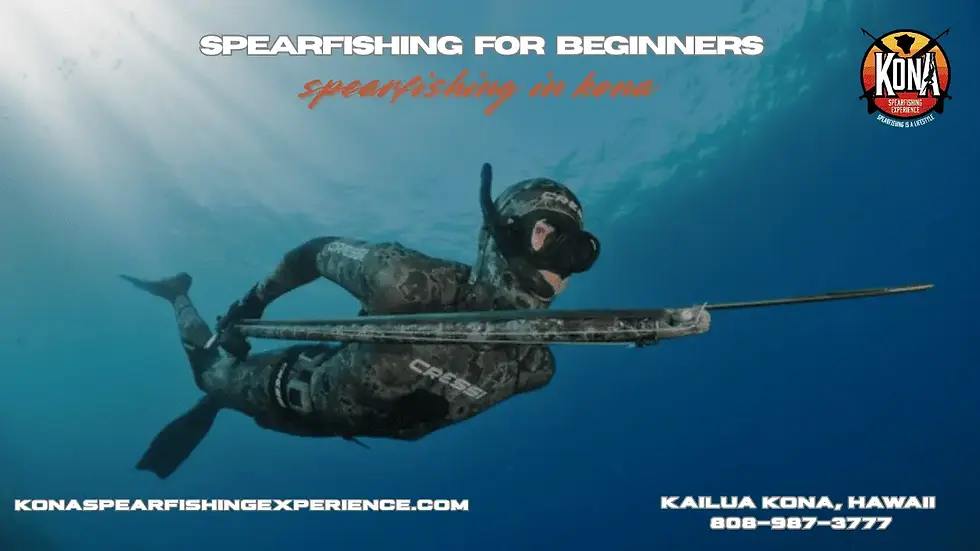
Spearfishing is a method of fishing where the diver hunts fish underwater using a speargun or pole spear while holding their breath. Unlike rod fishing, spearfishing allows you to select the exact fish you take, reducing bycatch and environmental impact.
For beginners, spearfishing is often introduced through shallow water dives, focusing on calm conditions, simple equipment, and strong safety habits.

Why Spearfishing Is Ideal for Beginners (When Done Correctly)
Many beginners think spearfishing is extreme—but the reality is different when approached properly.
Spearfishing for beginners offers:
Direct connection with the ocean
Clear understanding of fish behavior
Ethical harvesting
Physical fitness benefits
Mental focus and discipline
When you start with the right basics of spearfishing, you avoid dangerous mistakes and build confidence gradually.
Understanding the Basics of Spearfishing
Before talking about equipment or techniques, beginners must understand three core principles:
1. Breath Control and Freediving Fundamentals
Spearfishing relies on breath-hold diving, not scuba. Learning how to relax, control breathing, and equalize pressure is essential.
2. Fish Identification
Knowing which fish are legal, protected, or undersized is a beginner’s responsibility. Good spearfishers never shoot first and identify later.
3. Ocean Awareness
Currents, tides, surge, and visibility change daily. Beginners should only dive in calm, predictable conditions.
Essential Spearfishing Equipment for Beginners
Starting simple is key. Beginners do not need advanced or expensive setups.
Speargun or Pole Spear
A short, lightweight speargun or pole spear is best for beginners. It’s easier to control and safer in shallow water.
Mask and Snorkel
Low-volume masks help with equalization and visibility. Comfort matters more than brand.
Fins
Long freediving fins improve efficiency, but beginners should choose soft to medium stiffness.
Weight Belt
Proper weighting allows neutral buoyancy at safe depths. Over-weighting is one of the most common beginner mistakes.
Wetsuit
A thin wetsuit protects from cold, sun, and reef contact while improving buoyancy control.

Beginner-Friendly Spearfishing Techniques
Learning spearfishing techniques doesn’t mean learning everything at once. Beginners should master a few fundamentals first.
Stalking and Patience
Fish respond to calm movements. Fast chasing almost never works. Slow descents and relaxed posture bring fish closer.
Bottom Time Control
Beginners should never push breath limits. Short, relaxed dives are more effective than long, stressful ones.
Shot Placement
Aim behind the gills for a humane, effective shot. Beginners should avoid long-distance shots entirely.
Reloading and Handling
Always keep the speargun pointed safely and reload only when stationary and calm.
Where Beginners Should Learn Spearfishing
Learning alone is the biggest mistake beginners make.
Guided experiences—especially spearfishing in Kona or similar locations—offer structured learning, real-time corrections, and safety supervision. Diving with professionals dramatically shortens the learning curve.
Programs like those offered through local experts and platforms such as kona spearfishing experiencefocus on technique, ethics, and local knowledge rather than just catching fish.
Safety Rules Every Beginner Must Follow
Spearfishing for beginners must prioritize safety over success.
Key rules include:
Never dive alone
One up, one down buddy system
No hyperventilating
Respect personal limits
Avoid spearfishing near boat traffic
Understanding local rules—like spearfishing regulations Hawaii and hawaii fishing license requirements—keeps beginners legal and protected.
Legal Considerations Beginners Often Miss
Many beginners don’t realize that spearfishing laws vary widely.
Questions like:
Are certain fish protected?
Are specific zones restricted?
These laws exist to protect ecosystems and divers alike. Learning regulations before entering the water is part of being a responsible spearfisher.
Fish Selection for Beginners
Beginners should focus on:
Slow-moving reef fish
Non-aggressive species
Legal, abundant populations
Avoid targeting large or powerful fish early, including species often discussed in goliath grouper fishing, until advanced skill levels are reached.
Ethical Spearfishing for Beginners
Ethics separate good spearfishers from reckless ones.
Ethical spearfishing includes:
Only taking what you will eat
Avoiding spawning fish
Respecting reef life
Learning traditional values behind fishing
This mindset aligns with Hawaiian traditions and modern conservation practices.
Common Beginner Mistakes to Avoid
Beginners often:
Over-dive too early
Buy advanced gear too soon
Ignore local advice
Focus on trophies instead of skills
Learning fishing—whether rod or spear—is about patience, not ego.
How Long Does It Take to Learn Spearfishing?
With proper instruction:
Basic comfort: 1–2 sessions
Consistent technique: several weeks
True confidence: months of practice
Programs similar to learn to fish near me experiences help beginners progress faster with less risk.
Spearfishing vs Traditional Fishing for Beginners
Spearfishing differs from rod fishing in major ways:
You see your target
You choose your catch
You engage physically with the environment
For many, spearfishing becomes a deeper, more mindful form of fishing.
Why Learning From Locals Matters
Local professionals understand:
Seasonal conditions
Fish behavior
Legal zones
Safe entry points
This is why guided experiences—like those connected to hooked up sportfishing or local spearfishing experts—are invaluable for beginners.
Progressing After the Beginner Stage
Once basics are mastered, divers can explore:
Deeper water
Advanced spearfishing techniques
Larger species
Longer bottom times
But progression should always be gradual and supervised.
Meet the Best Guide: Calvin Lai Jr.
When it comes to authentic spearfishing in Kona, few names carry as much respect and credibility as Calvin Lai Jr. at the Kona Spearfishing Experience information A lifelong waterman, champion spearfisherman, and dedicated Kona firefighter, Calvin represents the true spirit of spearfishing kona hawaii.
Frequently Asked Questions About Spearfishing for beginners
1. What is spearfishing for beginners?
Spearfishing for beginners is the introduction to underwater fishing using a speargun or pole spear while freediving, focusing on basic skills, safety, and fish identification.
2. Is spearfishing safe for beginners?
Yes, spearfishing is safe for beginners when practiced in shallow water, with proper equipment, a dive buddy, and respect for personal limits.
3. Do beginners need special training for spearfishing?
While not legally required in many places, professional guidance helps beginners learn correct techniques, safety rules, and local regulations much faster.
4. What is the best way to start spearfishing?
The best way to start is by learning the basics of spearfishing, practicing breath control, and diving with experienced spearfishers or local guides.
5. What equipment do beginners need for spearfishing?
Beginners need a mask, snorkel, fins, wetsuit, weight belt, and a beginner-friendly speargun or pole spear.
6. Should beginners use a speargun or pole spear?
Most beginners start with a pole spear or a short speargun because they are easier to control and safer in shallow water.
7. How deep should beginners spearfish?
Beginners should stay in shallow water, usually under 10 meters (30 feet), until they gain experience and confidence.
8. What fish are best for beginner spearfishers?
Beginner spearfishers should target slow-moving, legal reef fish and avoid large or aggressive species.
9. Do beginners need a fishing license to spearfish?
In many locations, including Hawaii, a fishing license may be required depending on residency and fishing method. Always check local rules.
10. Can beginners spearfish in Hawaii?
Yes, beginners can spearfish in Hawaii, but they must follow strict size limits, species restrictions, and location-based regulations.
11. Is freediving required for spearfishing?
Yes, spearfishing is done on a single breath. Beginners should learn basic freediving techniques before attempting deeper dives.
12. How long does it take to learn spearfishing?
Most beginners feel comfortable after a few guided sessions, but true skill and confidence develop over months of regular practice.
13. What are common mistakes beginners make in spearfishing?
Common mistakes include diving alone, over-weighting, chasing fish, ignoring regulations, and pushing breath limits.
14. Do beginners need to learn fish identification?
Yes, proper fish identification is essential to avoid shooting protected or undersized species.
15. Is spearfishing better than regular fishing for beginners?
Spearfishing offers more control and selectivity, but it requires physical effort and water confidence compared to rod fishing.
16. Can beginners spearfish from shore?
Yes, shore diving is often the safest and easiest way for beginners to start spearfishing.
17. What safety rules should beginners always follow?
Never dive alone, use the buddy system, avoid hyperventilation, and stay aware of boats and currents.
18. Is spearfishing environmentally friendly?
When done correctly, spearfishing is one of the most sustainable fishing methods because it is highly selective.
19. Should beginners learn from local spearfishers?
Yes, local professionals understand fish behavior, safe dive spots, and regulations, making learning safer and faster.
20. When should beginners move to advanced spearfishing?
Only after mastering basic techniques, safety procedures, and consistent breath control in shallow water.
Final Thoughts on Spearfishing for Beginners
Spearfishing for beginners is not about how many fish you shoot—it’s about how well you learn, how safely you dive, and how responsibly you interact with the ocean.
Starting with the right mindset, correct basics of spearfishing, and experienced guidance transforms spearfishing into a lifelong skill rooted in respect and sustainability.
Want to start spearfishing the right way—safely, legally, and with confidence? Learning from experienced locals makes all the difference. If you’re serious about mastering spearfishing for beginners while respecting the ocean and its traditions, guided experiences in Kona offer hands-on training, real-world techniques, and unmatched local knowledge.
📍 Location: Kailua Kona, Hawaii
🌐 Book lessons & rentals: via our website
📞 Call Now: 808-987-3777


Comments